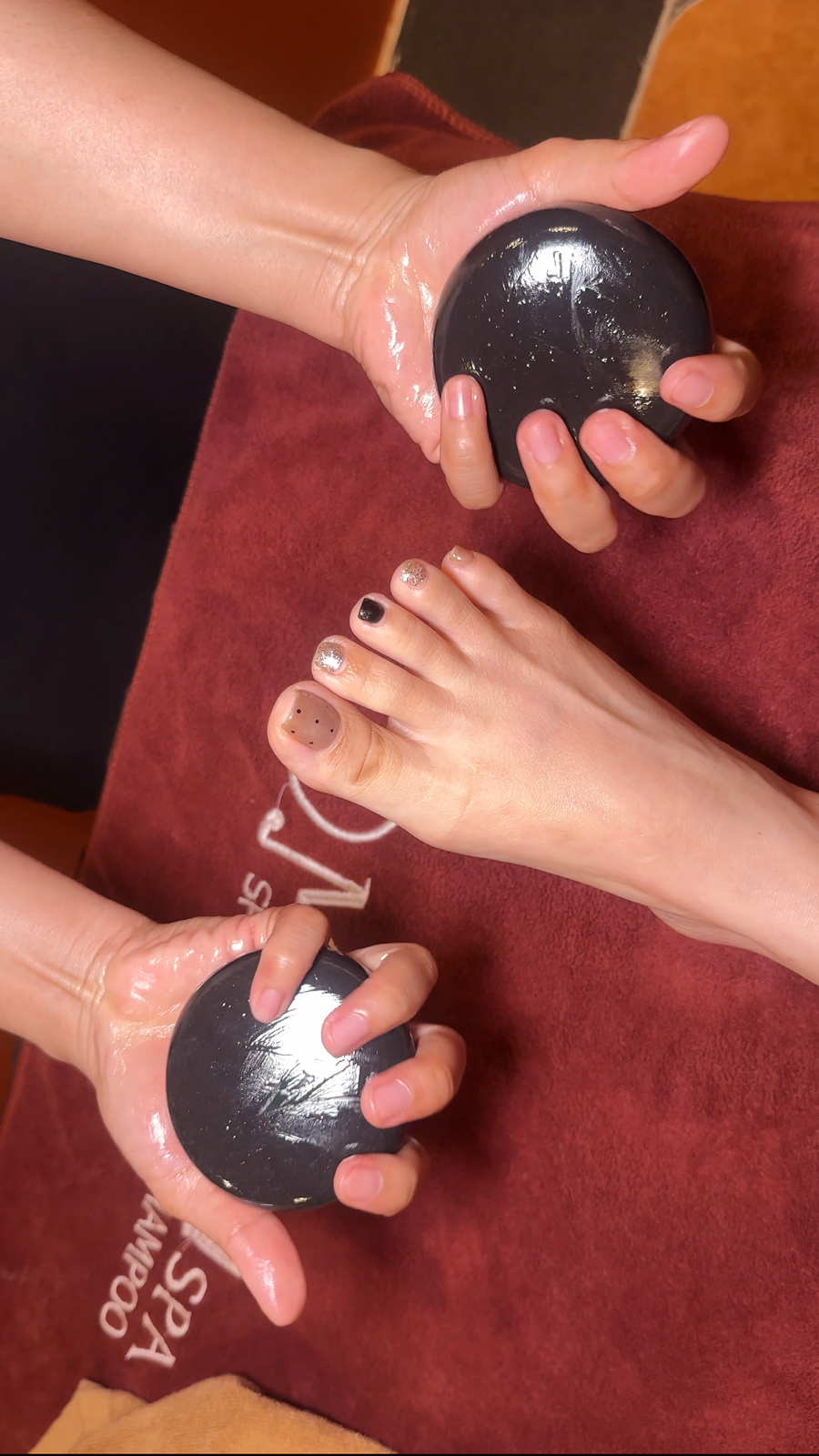
What “100% organic massage oil” really means (and how to spot fake)
The word “organic” sells massages. Here's how to tell when it's true — using only your nose and your skin.
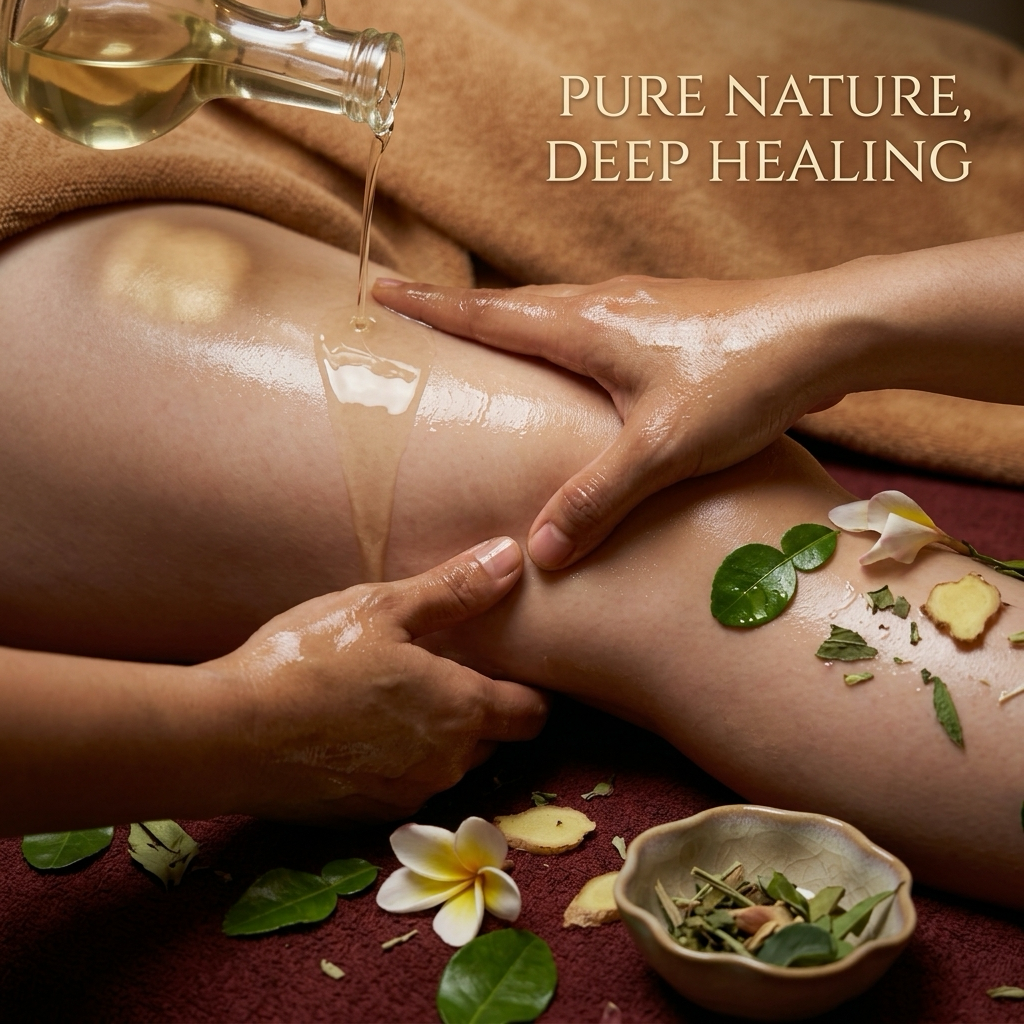
The word “organic” sells massages. Here's how to tell when it's true — using only your nose and your skin.
If you've booked a massage anywhere in Da Nang, you've seen the word organic on the menu. It's printed next to almost everything — and it's the single hardest claim to verify while you're lying face-down on a table. The good news: you don't need a lab. You need your nose, your skin, and about thirty seconds.
Oil is the only product that stays on your body for the whole treatment and for hours afterwards. A cheap, heavily fragranced base can leave skin feeling coated, clog pores overnight, and trigger irritation for sensitive or sun-exposed skin — which, after a beach day in Da Nang, is most of us. A clean, cold-pressed oil does the opposite: it absorbs, it lets the therapist's hands glide and then grip, and it carries herbal aroma without a synthetic edge.
In a wellness context, organic massage oil means a cold-pressed, food-grade plant oil — most often coconut — sometimes infused with botanical extracts like lavender, lemongrass, or herbal blends. “Cold-pressed” matters: it means the oil was extracted without high heat or chemical solvents, so it keeps more of its natural character and doesn't need heavy perfume to mask a processed smell.
What it is not: a mineral-oil or paraffin base (a petroleum by-product that sits on the skin), or a lightly scented synthetic blend dressed up with the word organic on the bottle.
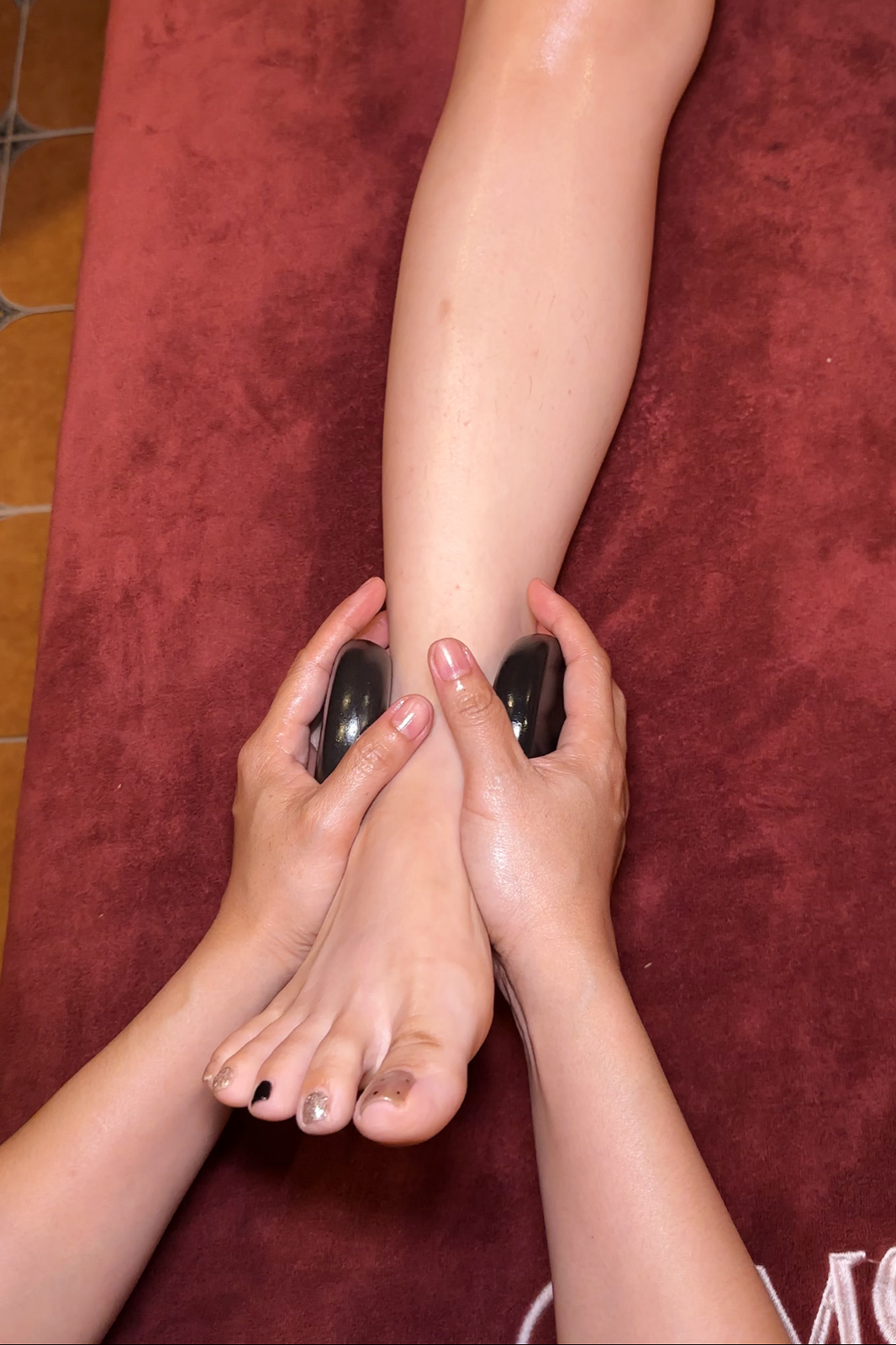
Coconut is technically a drupe, not a tree nut, and rarely causes reactions — but always mention any allergy before you book so the therapist can choose a suitable oil.
None of these guarantee a bad spa on their own, but together they're a pattern: a price that's far below everyone else's, a strong perfume smell from the doorway, a refusal to say what's in the oil, and a sticky residue that lasts all evening. Quality oil costs more, and an honest spa builds that into a fair, published price rather than cutting the one product that touches you the longest.
Want the bigger picture on choosing a spa in the neighbourhood — pressure, pricing and etiquette included? Start with our complete guide to massage & spa in An Thuong, or read how to avoid hidden spa fees in Da Nang.
Every Mo Ran treatment uses 100% organic, cold-pressed oil. Come in, smell it, and decide for yourself.
Book on WhatsApp See the menuCold-pressed coconut oil is one of the best natural massage oils — it absorbs cleanly, rarely irritates skin, and carries herbal aromas well. Fractionated coconut oil stays liquid longer; both are fine when food-grade.
Smell it and feel it. Genuine cold-pressed oil smells soft and plant-like, absorbs within minutes, and leaves no sticky film. Heavy perfume or a residue you want to shower off usually signals a cheap mineral or synthetic base.
Usually yes. Without heavy synthetic fragrance and additives, cold-pressed plant oils are gentler and less likely to cause breakouts or irritation — though anyone with a nut allergy should mention it before booking.